
You’ve just received a tender brief.
You dust off your capability statement. And somewhere in the back of your mind, you already know it’s not quite right. The content is still relevant. But the presentation? It looks like something you threw together a few years ago and haven’t quite got around to fixing.
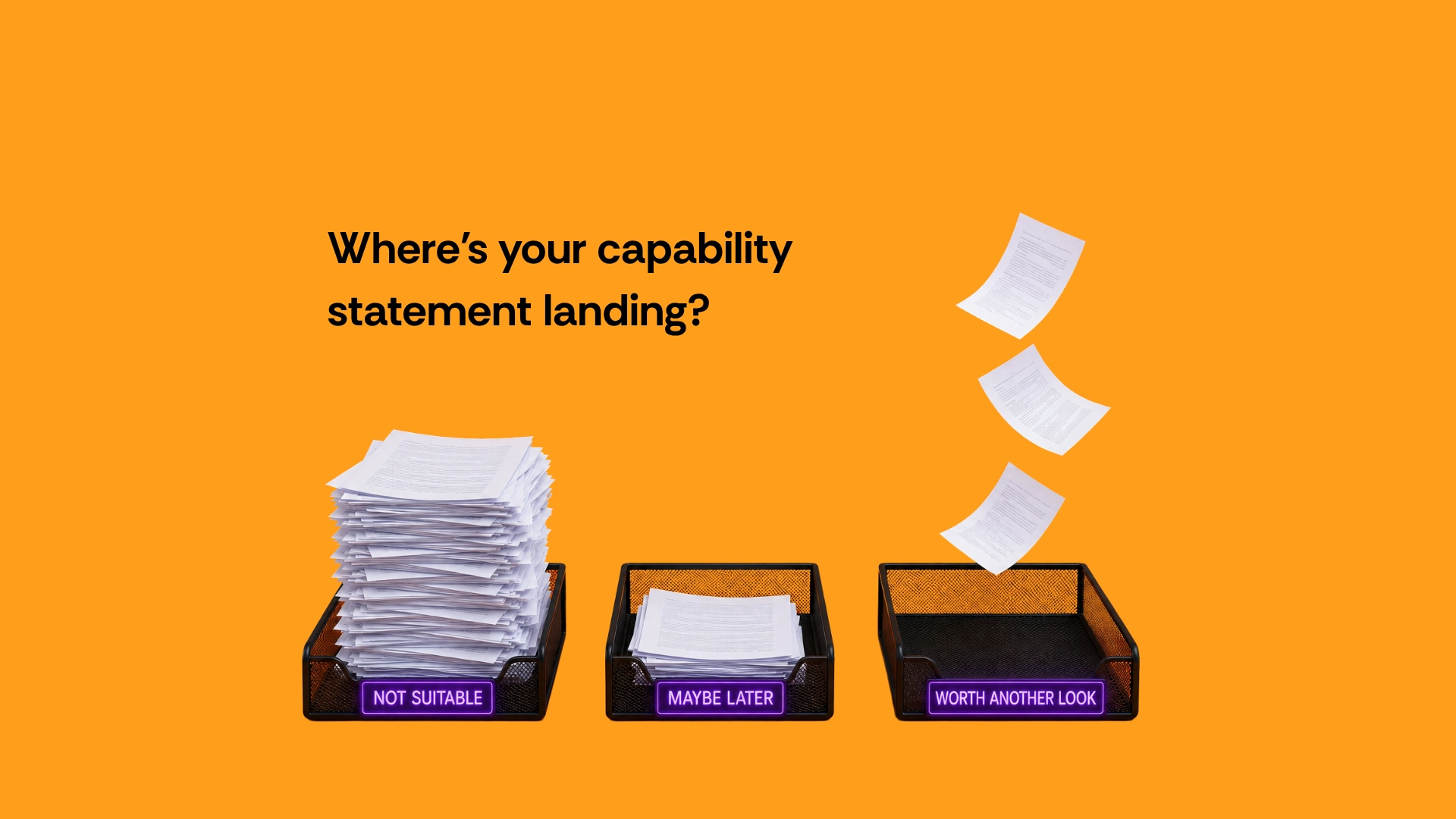
Here’s the problem: procurement officers, government departments and project managers often spend only seconds scanning through your capability statement before sorting it into three trays:
- Not suitable
- Maybe later
- Worth another look.
Capability statements are frequently viewed alongside dozens, sometimes hundreds of competitors.
So, how do you make sure yours stands out?
How do you design a capability statement that immediately signals credibility and grabs attention?
How do you essentially hold up a flashing neon sign that says, “PICK US”. The answer isn’t just in what you say, but also in how you design it.
So, what is a capability statement?
A capability statement is essentially your organisation’s CV or professional resume. It’s a concise document designed to quickly communicate,
- Who you are
- What you do
- Who you work with
- And most importantly, why a company should engage you.
A capability statement is more than just a business overview. It’s a strategic marketing tool used in tender submissions and business pitches to prospective B2B clients, providing decision-makers with a snapshot of your company’s experience, expertise and strengths.
It typically includes information about your services, core competencies, past projects, key personnel and points of difference.
At the bottom line, it helps you win work, build credibility with clients and government bodies and differentiate you from competitors. If you’re still unsure whether your business needs a capability statement, read our guide on why capability statements matter for growing businesses.
Why capability statement design matters more than most businesses realise
Often, businesses spend hours nitpicking the words and content, and barely think about the design.
A good capability statement is not just about the words. Design influences:
- Credibility: does your business look like it belongs at the table?
- Professionalism: does your document reflect the standard of work you deliver?
- Readability: can someone skim it and still get the message?
- Trust: do we believe you can deliver?
A poor design will make even a strong business look disorganised.
A good capability statement design will help people understand your value quickly. It has impact.
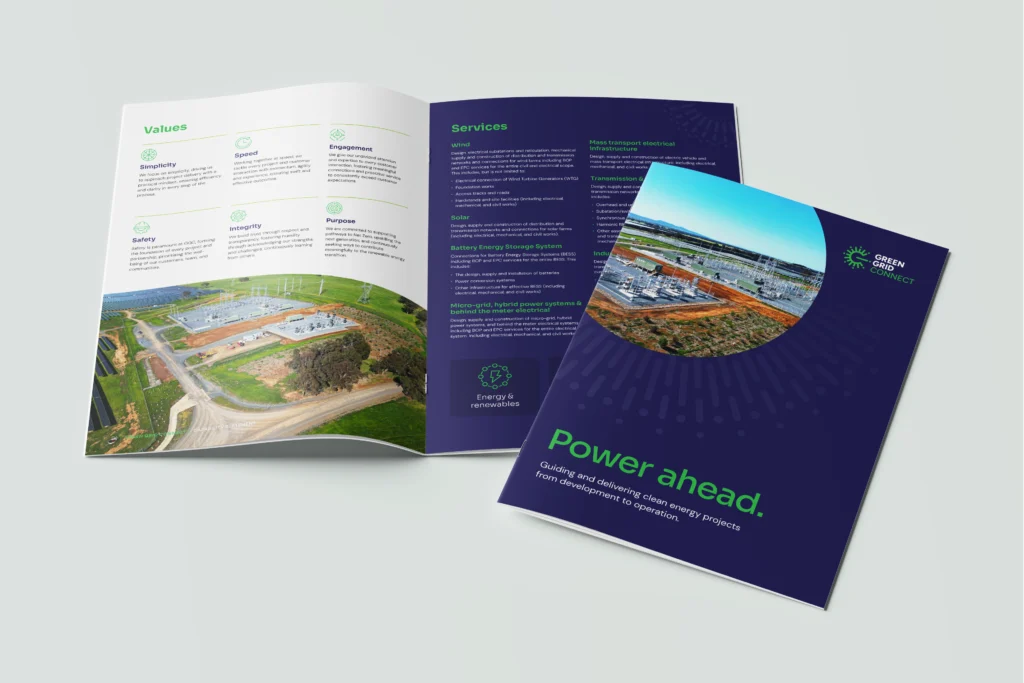
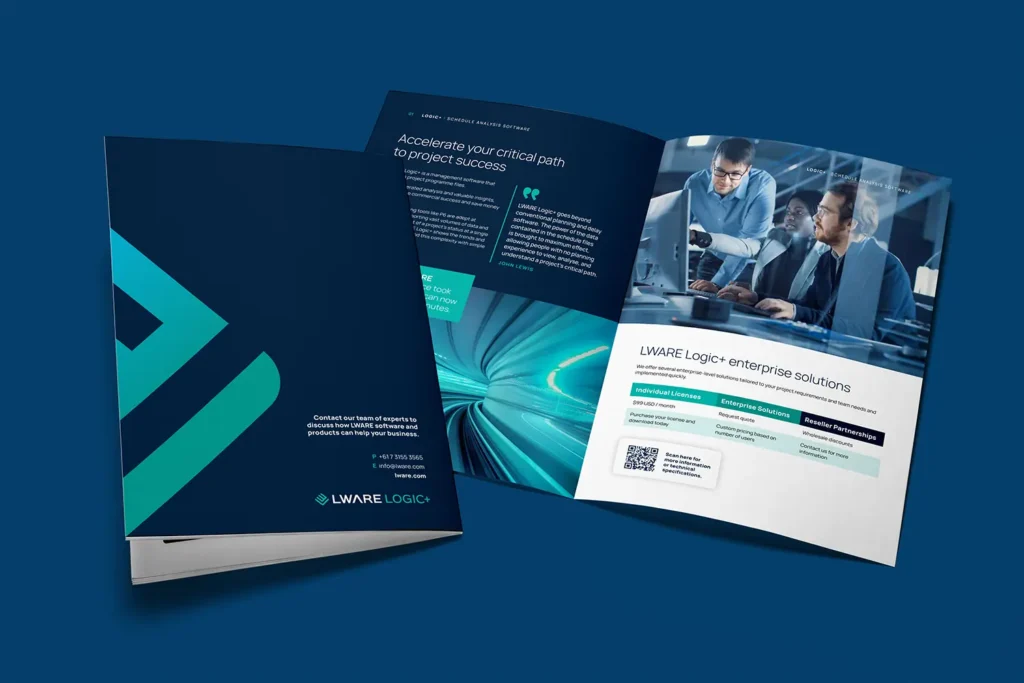
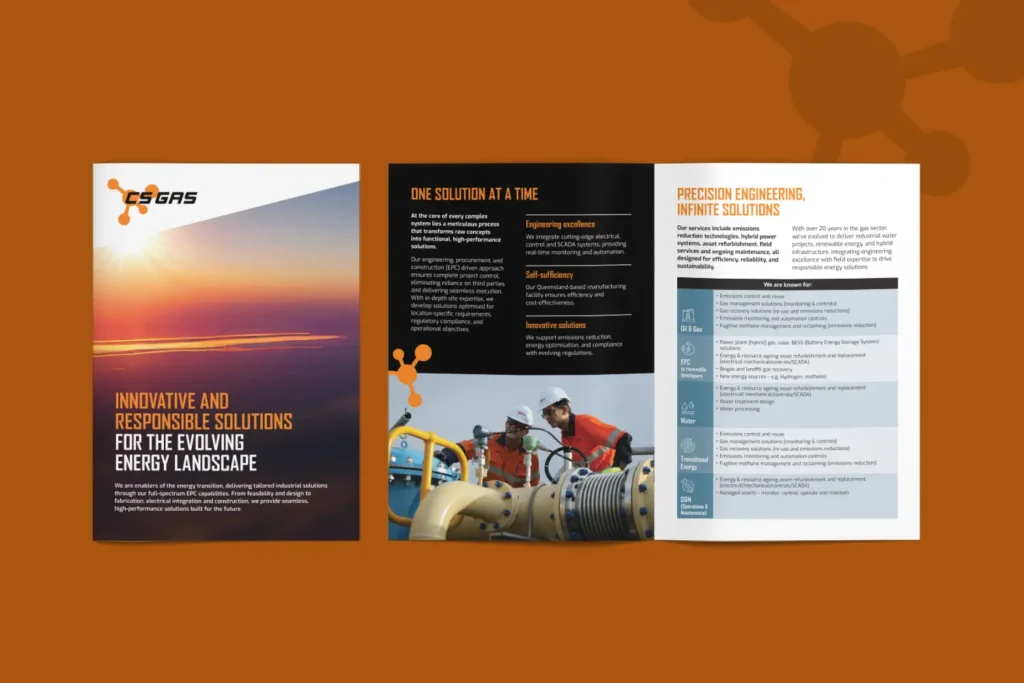
Understand your audience
Before you write a single word, ask yourself: who is actually going to read this?
Different audiences prioritise very different things and this should shape every decision you make; from the examples of the work you include to the length of the document itself.
Government buyers typically want to see compliance history, relevant certifications and demonstrated experience in similar projects. Commercial clients are often more interested in speed, reliability and what makes you easier to work with than your competitors.
Understanding what they are asking is vital to creating a winning one.
Ask yourself… what’s most important to the decision makers who will read the document? Your capability statement design should support what matters most to that audience.
The foundations of a winning capability statement design
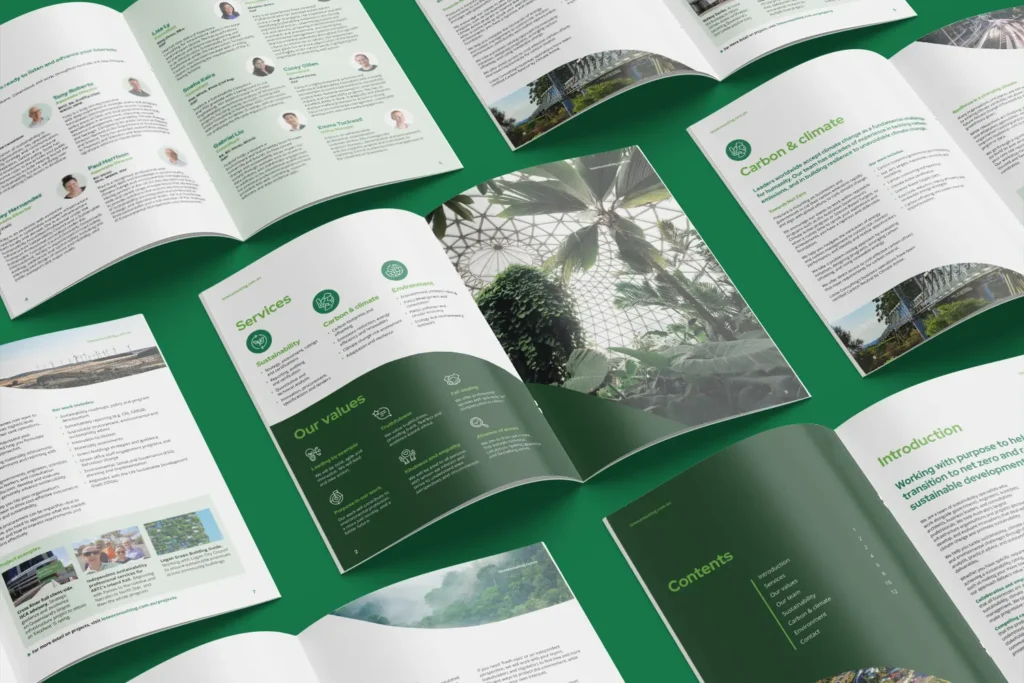
Make it easy to scan
A capability statement is not read like a novel. People will skim before they read. So… don’t make them dig for the important information.
- Use clear section headings and subheadings
- Highlight key statistics or differentiators
- Break up information visually with white space
Use bullet points to keep paragraphs short.
Design for your brand
Your capability statement design should visually align with your brand identity. Polished branding and visual consistency will create confidence before the reader even processes the words. Use:
- Consistent colours
- Typography
- Imagery
- Tone of voice.
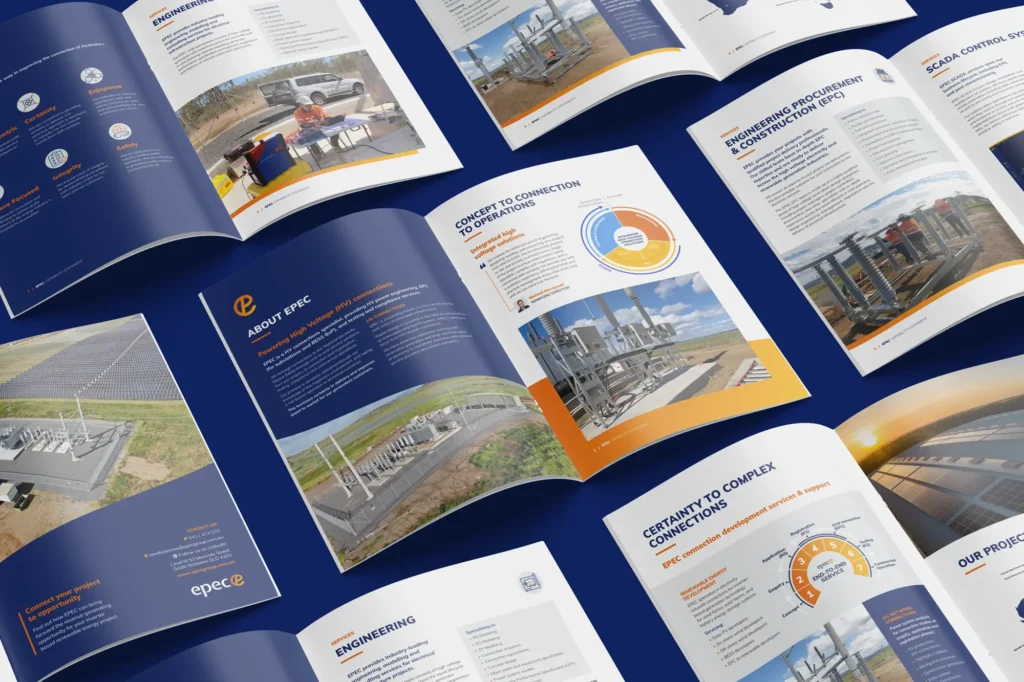
Pull out testimonials, statistics that capture what you need, engage the reader to want to learn more. Diagrams are particularly important for companies that are science or construction based to demonstrate how the product actually works.
A mismatch between brand and your capability statement will create mistrust and confusion, and you’ll be put into that not suitable basket immediately.
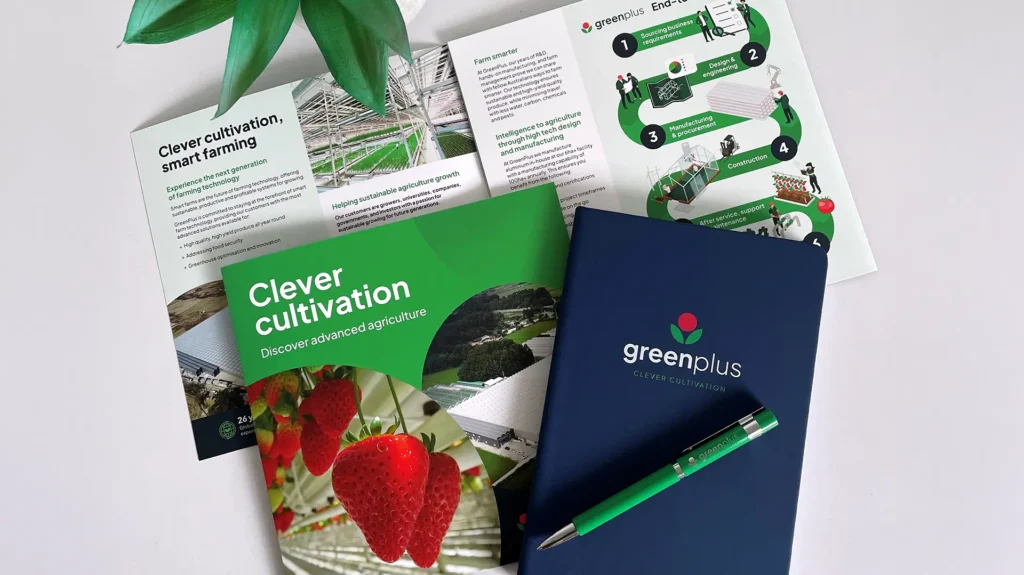
Show, don’t just tell
As the number one rule for creative writing goes: Show. Don’t just tell. This helps create an experience for readers.
Use visual elements to capture the decision-maker’s attention. Use:
- Project photos
- Icons
- Infographics
- Diagrams
- Statistics
“We’re experienced” means very little without the evidence to back it up. Visual proof will always be more persuasive than unsupported claims. Including visual elements will help provide the evidence for what you claim.
Invest in professional photography
One of the most important elements of a strong capability statement design is quality imagery. If it doesn’t represent you or your brand, it works against you, diminishing your credibility. And here’s an important tip… Try not to use stock images.
CEO of Focused Marketing, Kerri Eckart, shared a story that says it all…
“Early in my career, I was at a trade event in London, working for a large international construction company. During the show, we quickly realised their main competitor had used that exact same stock image we had. They quickly invested in a photoshoot.”
Investing in imagery will help set your capability statement apart. Once you have strong images, everything becomes easier.
Tailor it to the opportunity
Should every capability statement design be customised?
Of course!
To engage your intended audience, every element of your capability statement should be tailored to specific tenders, industries, projects and procurement opportunities. Images, project examples, messaging and supporting statistics should all be relevant to the project you are trying to win.
Your opening section should prioritise your most relevant experience first. Don’t be generic in your capability. Tailor it to the sector you’re targeting.
DIY vs Professional Capability Statement Design
Canva templates and online tools have made it easier than ever for businesses to produce something that looks reasonably professional. And for some contexts, that’s perfectly fine.
But there’s a meaningful difference between a document that looks designed and one that is designed.
Professional support brings strategic thinking to the layout. Deciding what leads, what gets emphasis, how the visual hierarchy guides the reader’s eye toward your strongest points.
If you want a polished and strategic result, partnering with an experienced marketing team can make the process significantly easier, by saving you time, presenting your business more professionally and giving you a better shot at winning the work that matters (wink, wink, nudge, nudge).
Design is what gets you remembered
Capability statements are first impression documents. Even though everyone says never judge a book by its cover, they absolutely do. Every time.
The most capable businesses don’t always win the work. The businesses that communicate their value most clearly do. And design is a big part of how that clarity comes through.
If it looks messy or outdated, that sends a message. And not the one you probably want.
A strong capability statement makes the reader immediately feel like your business is capable, credible and easy to work with. It’s the closest thing you have to holding up a flashing neon signs that screams, “PICK US.”
If your capability statement isn’t winning you work, the design might be part of the issue. Sometimes it just takes a fresh set of eyes and a practical conversation to work out what’s missing. Get in touch with the Focused Marketing team.