
When most business owners think about their brand they often jump to their logo. Yet a logo is only one part of a much bigger picture.
Your brand is the meaning people attach to your business. It is how they feel when they interact with you, what they expect from you and why they choose you over competitors.
Understanding the distinction between logo design and branding is essential for any organisation that wants long-term growth. A well-designed logo can attract attention, but without a clear brand and brand strategy behind it, it will not build trust, loyalty or recognition.
So, what is a logo you ask?
A logo is a visual mark or symbol that identifies your business. It can be a wordmark, icon, monogram or combination of elements. Its primary function is instant recognition.
Some of our favourite examples of well recognised Australian logos are:
Qantas and its red kangaroo, symbolising strength and national identity.
Woolworths and its green produce inspired symbol, communicating freshness and sustainability.
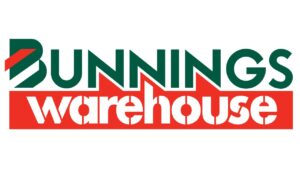
Bunnings and its bold red warehouse shape paired with strong block typography, communicating value, accessibility and practicality.
What makes up your brand?
A strong brand includes:
- Purpose: Why your business exists beyond profit.
- Values: The principles guiding decisions and behaviour.
- Personality: The tone and character of your brand.
- Visual identity: Logo, colours, typography and imagery.
- Customer experience: All interaction customers have with your business.
What’s the difference between logo design and branding?
Logo design focuses on creating a distinctive visual mark. Branding defines the strategy, positioning, messaging and experience that give that visual mark meaning. Let’s explore this below.
Case Study: Bunnings Warehouse
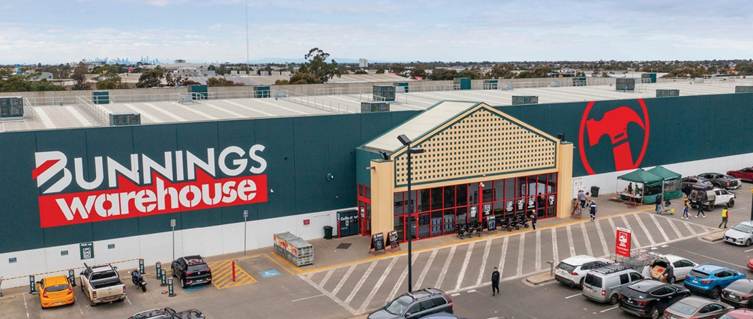
Bunnings Warehouse provides a strong Australian example of how branding and logo design work together, yet serve different roles within a business strategy.
Logo design
The Bunnings logo features a bold red warehouse shape paired with strong, highly legible typography and green supporting elements. The red immediately signals value and urgency, reinforcing the brand’s positioning around low prices. The price tag graphic is a clever visual shorthand for affordability, while the heavy, confident typeface communicates strength and reliability.
It is simple, direct and instantly recognisable across signage, catalogues, television advertising and digital platforms. However, the effectiveness of the logo comes from the brand strategy and elements supporting it.
The brand behind the logo
The Bunnings brand extends far beyond its visual mark. It is built on clear strategic foundations that guide every customer interaction.
Purpose
To provide Australians with a wide range of home improvement and lifestyle products at consistently low prices. The focus is on accessibility and practicality rather than exclusivity.
Strategic pillars and values
- Lowest prices
- Widest range
- Best experience
- Integrity
- Respect
- Teamwork
- Achievement
- Innovation
These guiding principles are demonstrated through long standing initiatives such as community sausage sizzles, local sponsorships and in store workshops.
Personality
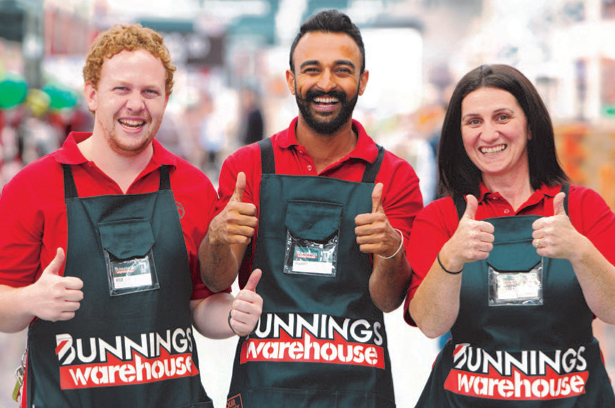
Bunnings presents as approachable, practical and knowledgeable. The tone of voice in advertising is straightforward and helpful rather than polished or corporate. Staff are positioned as problem solvers who can offer guidance, not just sell products further emphasised by their taglines “Lowest prices everyday” and “Lowest prices are just the beginning”.
Customer Experience
The brand experience reinforces its promise at every touchpoint:
- Large warehouse style stores that feel accessible rather than premium
- Clear signage and pricing
- Staff available to provide advice
- Weekend workshops and community events
Each of these elements strengthens the perception created by the logo.
What this teaches us about branding and logo design
Bunnings demonstrates that logo design and branding are interconnected but not interchangeable. The logo creates instant recognition. The brand strategy creates trust and loyalty.
Without the strong underlying brand, the logo would simply be a red shape with text. With strategic alignment, it becomes a powerful symbol of affordability, expertise and community connection across Australia.
Common misconceptions about branding and logo design
- A logo is the brand.
- Branding is not essential for small businesses
- Branding and marketing are the same
The power of visual identity
When branding and logo design are aligned, your business becomes easier to remember and easier to trust. Repetition of consistent visual cues across your website, social media, advertising, signage and printed materials reinforces familiarity. Familiarity builds credibility, and credibility influences buying decisions.
A logo works best when it is part of a cohesive visual system rather than standing alone. That system may include:
- A defined colour palette that reflects your brand personality
- Clear typography guidelines that enhance readability and tone
- Imagery styles that communicate emotion and positioning
- Graphic elements and layout structures that create consistency
Without this structure, even a well-designed logo can lose impact. With it, every piece of communication strengthens your brand presence. Over time, this consistency transforms simple visuals into powerful brand assets that support growth, loyalty and long-term recognition.
Tips for building your brand
Strong brands are not built by chance. They are shaped through strategic insight, creative clarity and consistent execution. Drawing on our experience in branding and logo design, here are six proven foundations we use to help businesses build brands that grow with confidence:
- Start with strategy and define your purpose.
- Clarify your target audience and positioning.
- Develop a cohesive visual identity system.
- Align internal culture with brand values.
- Ensure consistency across all touchpoints.
- Commit to long term brand building.
Frequently Asked Questions
Should branding come before logo design?
Yes. Brand strategy should always come first. Defining your purpose, audience, positioning and personality ensures your logo design and branding visuals accurately reflect who you are and what you stand for.
How does strong branding impact business growth?
Effective branding builds recognition, trust and emotional connection. When customers clearly understand what your business represents, they are more likely to choose you, return and recommend you to others. Strong branding also makes marketing more effective and consistent.
How often should a business update its branding and logo design?
Branding should evolve when your strategy, audience or market positioning changes. Minor logo refinements can modernise your look, but frequent drastic changes can reduce brand recognition. Updates should be strategic rather than trend driven.
Can small businesses benefit from professional branding and logo design?
Absolutely. Clear branding helps small businesses stand out in competitive markets. A cohesive brand identity builds credibility, attracts the right audience and supports long term growth, even with limited marketing budgets.
How do branding and logo design influence customer perception?
Branding and logo design shape first impressions and long-term perceptions. Visual identity creates immediate recognition, while consistent messaging and customer experience build trust over time. When all brand elements align, customers feel confident in choosing and recommending your business.
What is the difference between a brand refresh and a full rebrand?
A brand refresh involves updating visual elements such as your logo, colours or typography while keeping your core strategy intact. A full rebrand revisits your purpose, positioning, messaging and visual identity from the ground up. The right approach depends on how significantly your business has evolved.
A logo is a powerful visual tool, but it gains meaning through strategy, values and customer experience. Effective branding and logo design combine thoughtful positioning with cohesive visual identity to build trust, loyalty and long-term growth.
If your visuals feel outdated, your messaging lacks clarity, you are attracting the wrong audience or your business has evolved, it may be time to take a closer look at your brand. At Focused Marketing, we help businesses realign their branding and logo design with their strategy and business goals. If your current brand no longer reflects who you are or where you are heading, our team can guide you through a strategic review and create a cohesive brand identity that positions you confidently for the future.